


Polewali Mandar Regency, West Sulawesi — 26–27 October 2025
For many forest communities in West Sulawesi, the sugar palm (aren) is quiet gold — a source of palm sugar, granulated sugar and a range of derivative products. Yet its potential is far from fully realised. According to data shared by PT Duta Karya Aren, the province holds around 144,900 sugar palm trees — roughly 115 per hectare — but only about 35% are actively tapped.
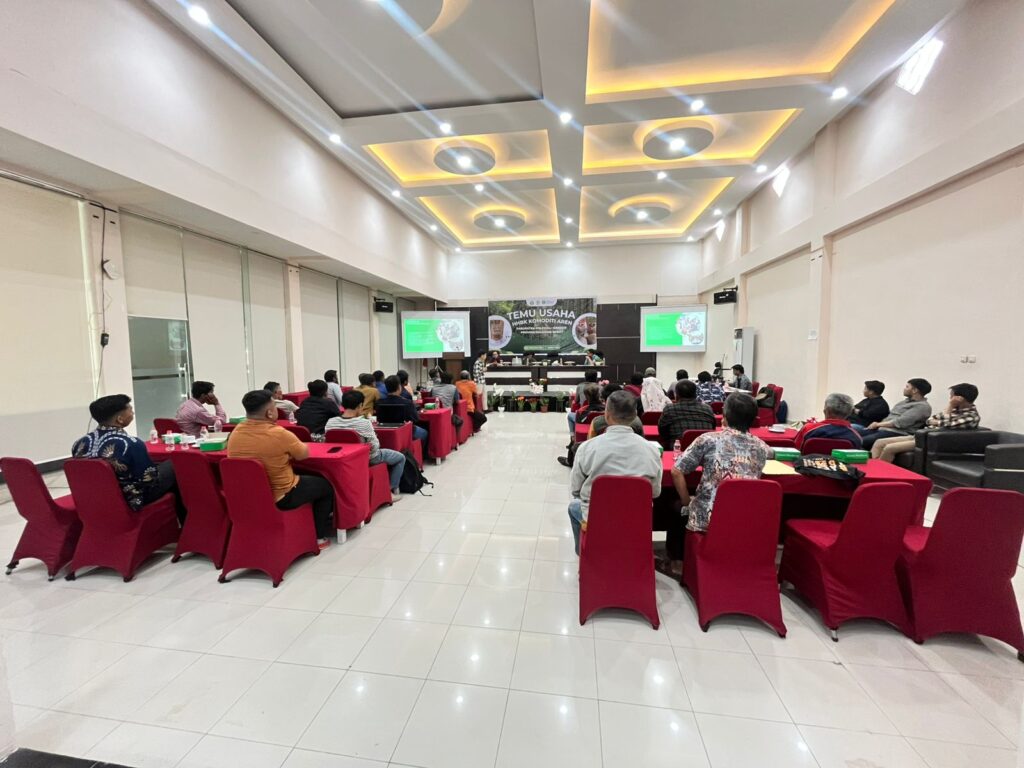
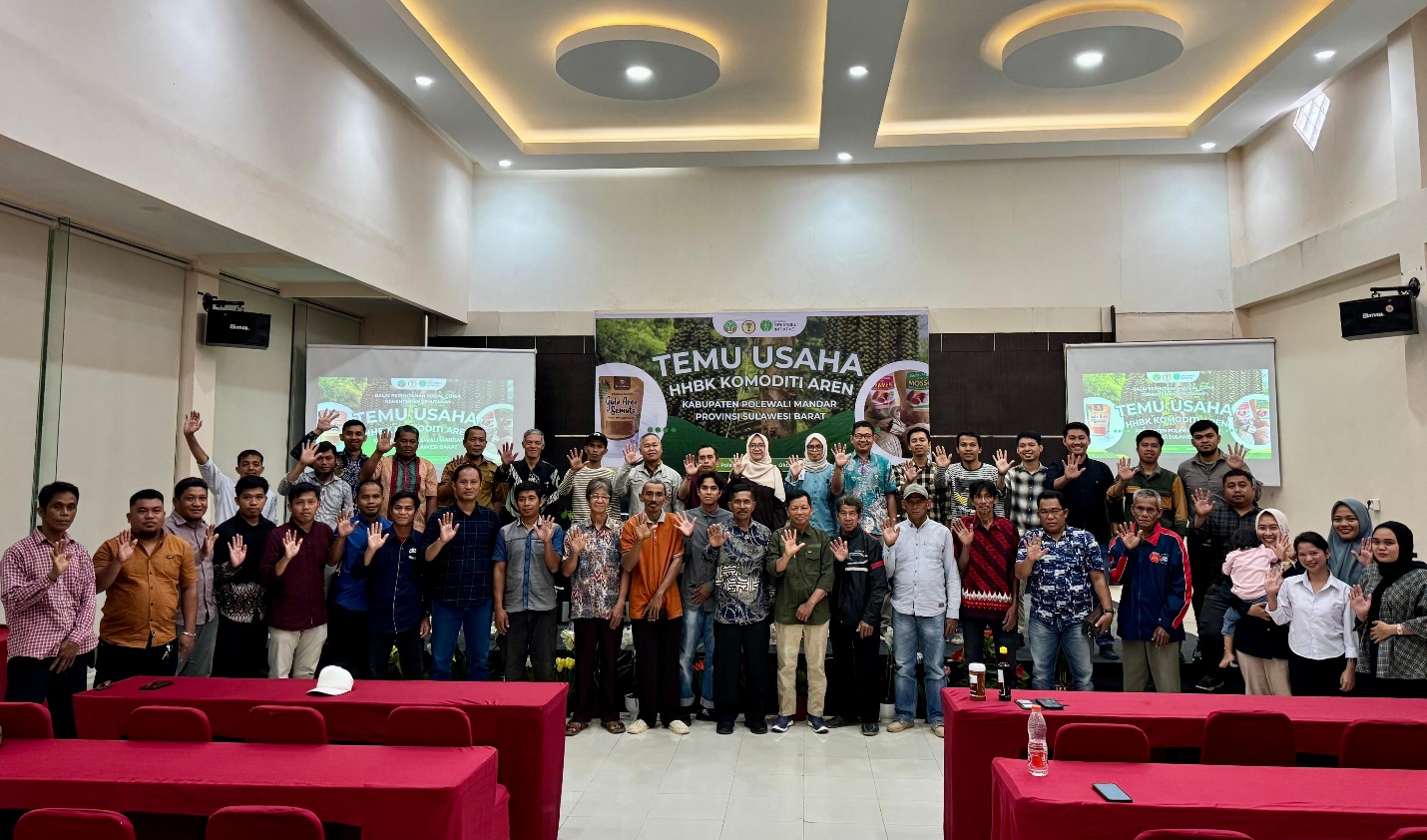
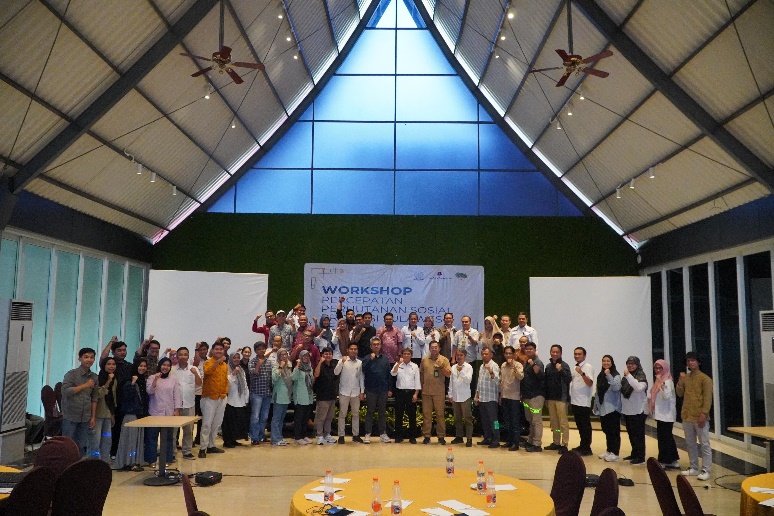
To help close that gap, the Social Forestry and Environmental Partnership Centre (BPSKL) for the Sulawesi–Maluku–Papua region brought farmers and industry together for a Sugar Palm Business Meeting at Polewali Mandar on 26–27 October 2025. The goal: connect Social Forestry Business Groups (KUPS) that manage sugar palm with the businesses that need their raw materials, and build partnerships that work for both sides.
The meeting set out to open up market-access information for sugar palm producers, share knowledge on managing the trees sustainably, and pave the way for formal agreements (MoUs) between farmer groups and industry partners. Speakers from the Mapilli Forest Management Unit (KPH), PT Duta Karya Aren and Yayasan Sabuk Hijau Indonesia (Greenbelt Initiative) presented on the commodity's potential, policy and development opportunities. Fifteen KUPS and several social-forestry facilitators took part.
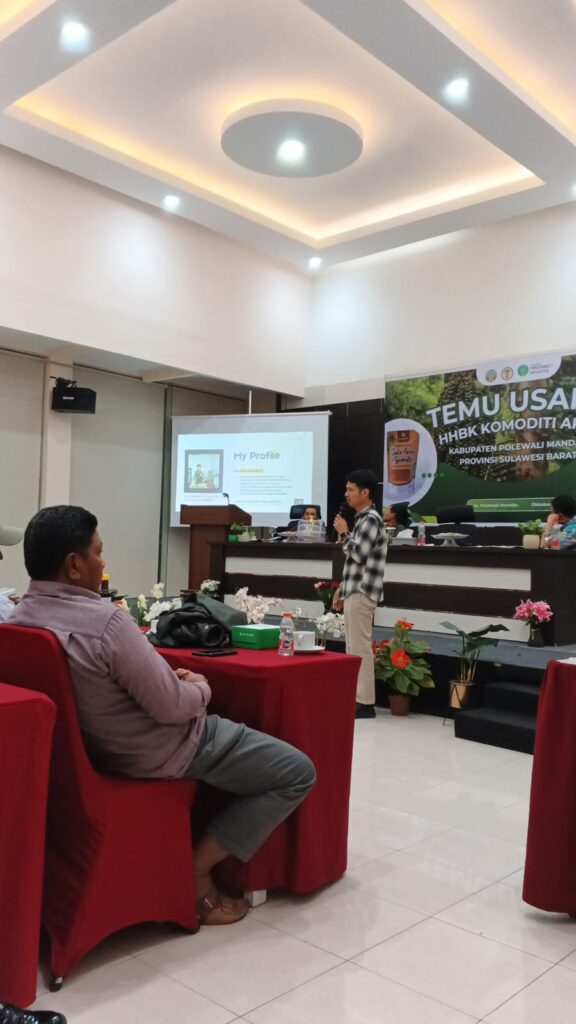
The discussion surfaced a clear picture: around 30 KUPS in Polewali Mandar have strong potential for sugar palm development, though production consistency still needs strengthening. In this ecosystem, Yayasan Sabuk Hijau Indonesia plays the role of facilitator and partner — helping farmer groups build their capacity and forge durable business relationships.
It is exactly the kind of work that turns a standing forest into lasting livelihoods: not by clearing it, but by helping communities draw sustainable value from what the forest already provides.


Leave A Comment