


Latimojong Village, Enrekang Regency, South Sulawesi
Restoring a forest should never begin by talking at a community — it begins by listening. That principle sits at the heart of Free, Prior and Informed Consent (FPIC), known in Indonesia as Persetujuan Atas Dasar Informasi di Awal Tanpa Paksaan (PADIATAPA): the process by which indigenous peoples and local communities give — or withhold — their agreement to any activity that affects them, before it starts, with full information and free of pressure.
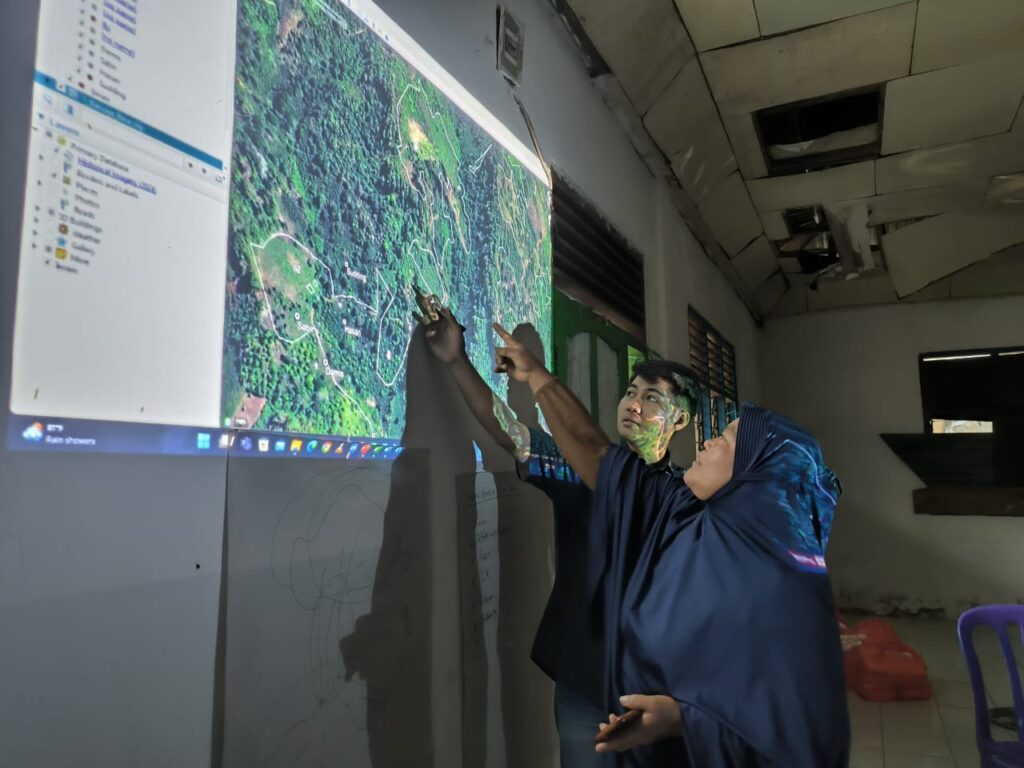
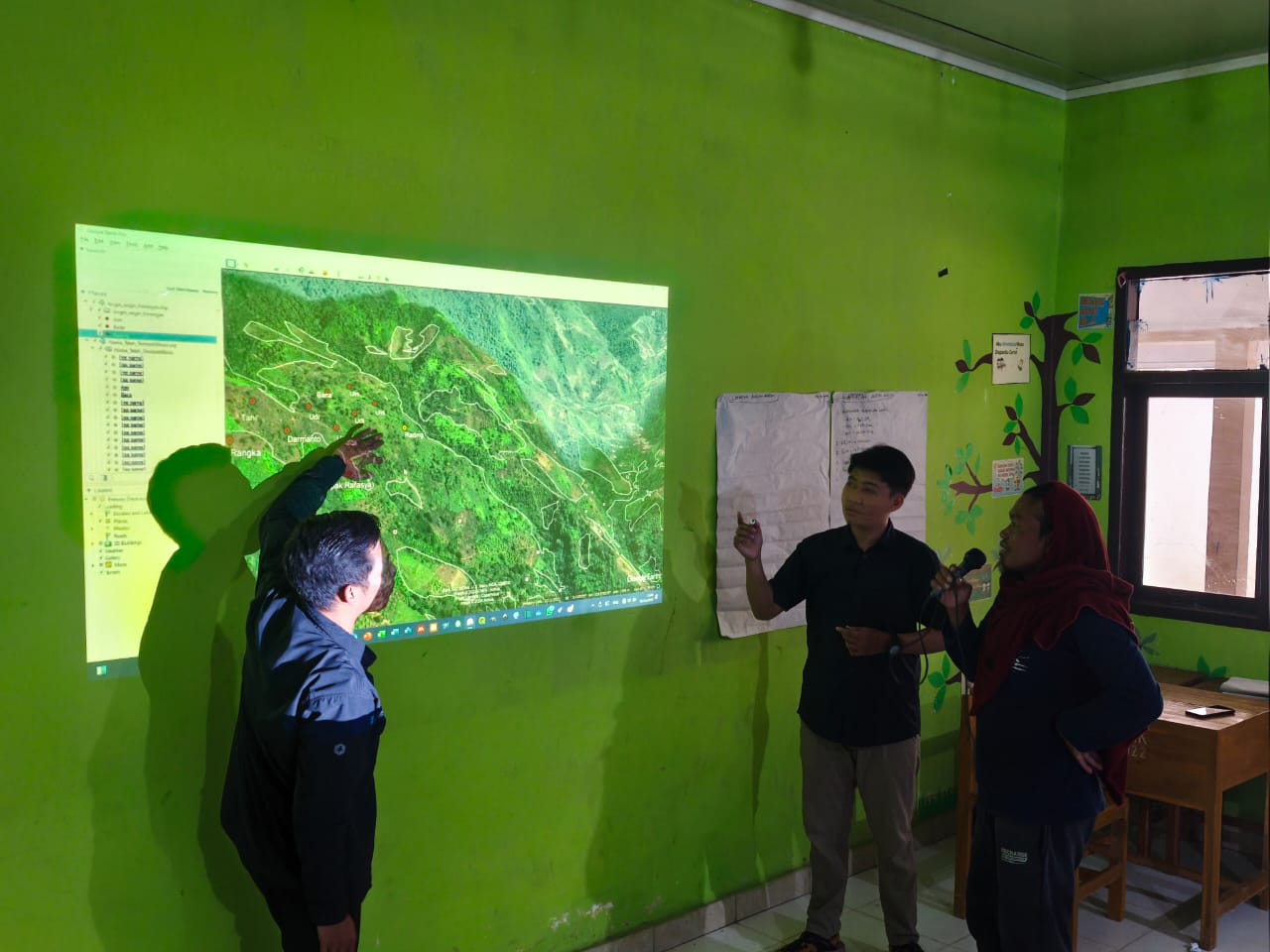
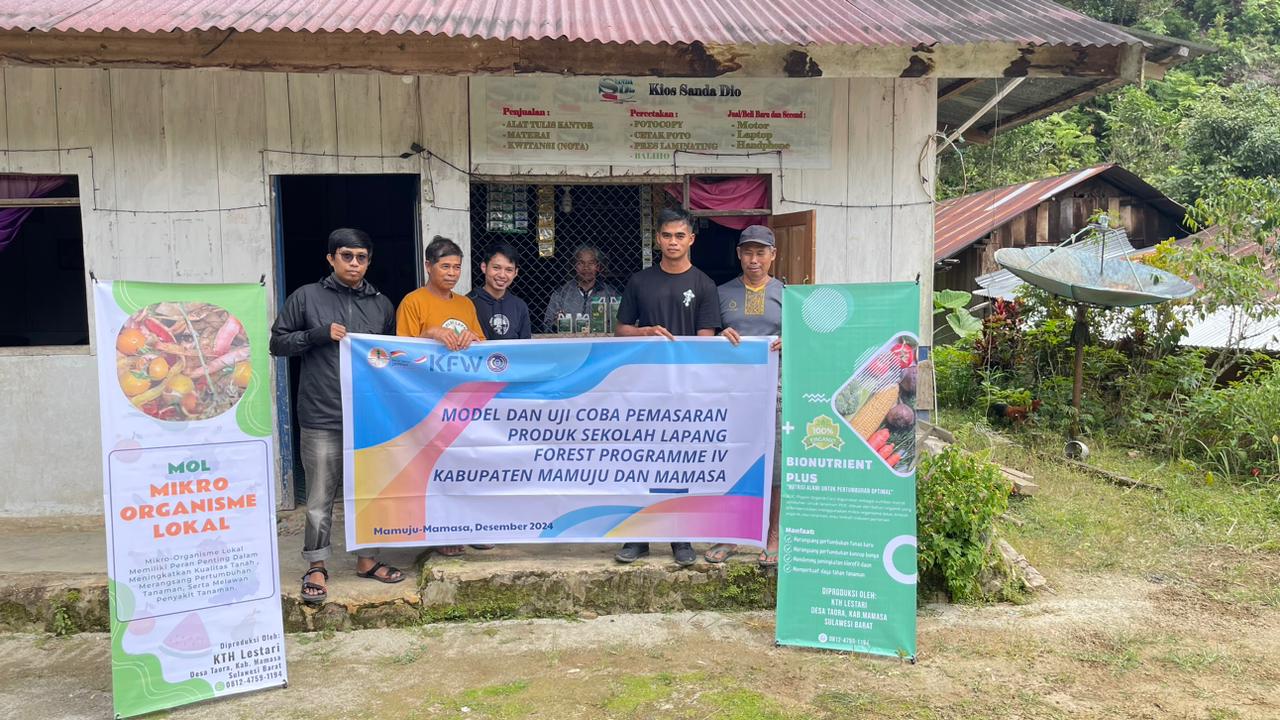
Working alongside the community forestry service team, and as part of a programme supported by The Asia Foundation, Yayasan Sabuk Hijau Indonesia (Greenbelt Initiative) helped facilitate an FPIC process ahead of a forest rehabilitation effort covering roughly 250 hectares of social-forestry land managed by the Tomaupa farmers' association (Gapoktan Tomaupa).
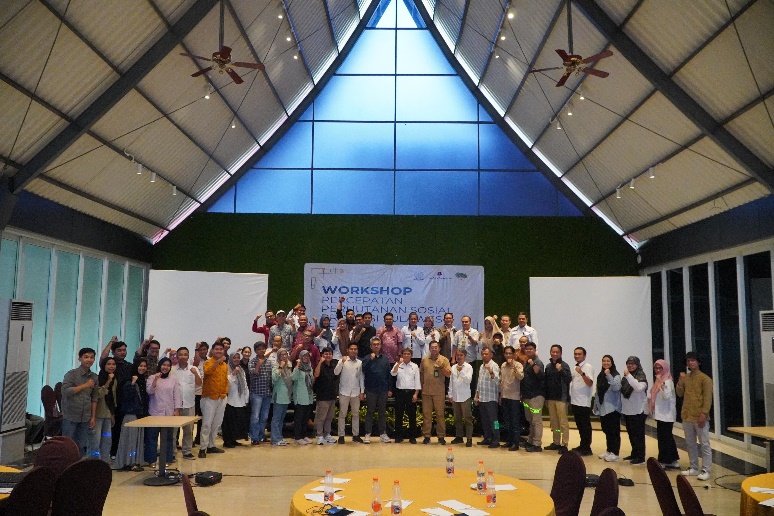
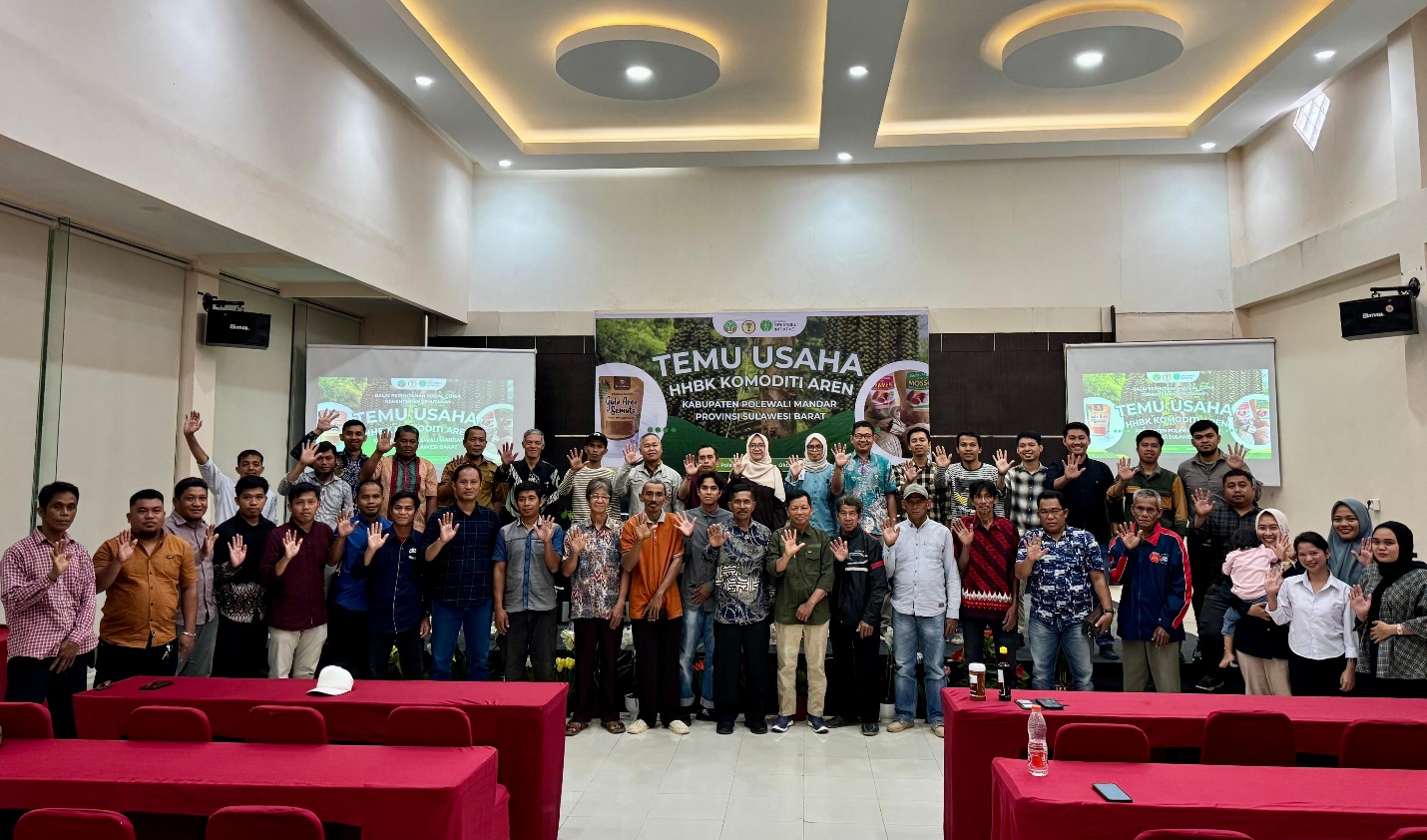
The consultations were held across three hamlets — Angin-Angin, Karuaja and Karangan — and deliberately brought everyone to the table: the women's group, community leaders, the village government, the Mata Allo Forest Management Unit (KPH), the farmers' association and the facilitation team. The aim was not simply to inform, but to gather the community's own input and conditions before any restoration work began.
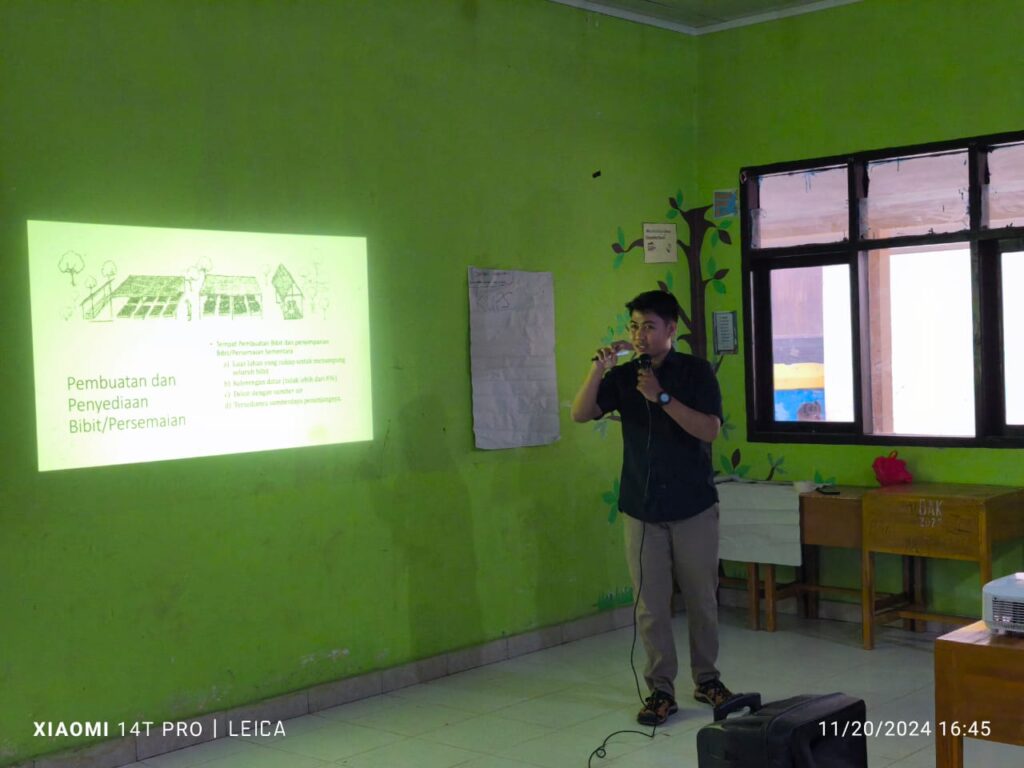
This is what bridging the social and the biophysical looks like in practice. A rehabilitation map only becomes a living forest when the people who depend on that land have helped design it, agreed to it, and own it. By starting with consent rather than instruction, the project builds the trust that long-term restoration depends on — and keeps communities firmly in the lead.


Leave A Comment