
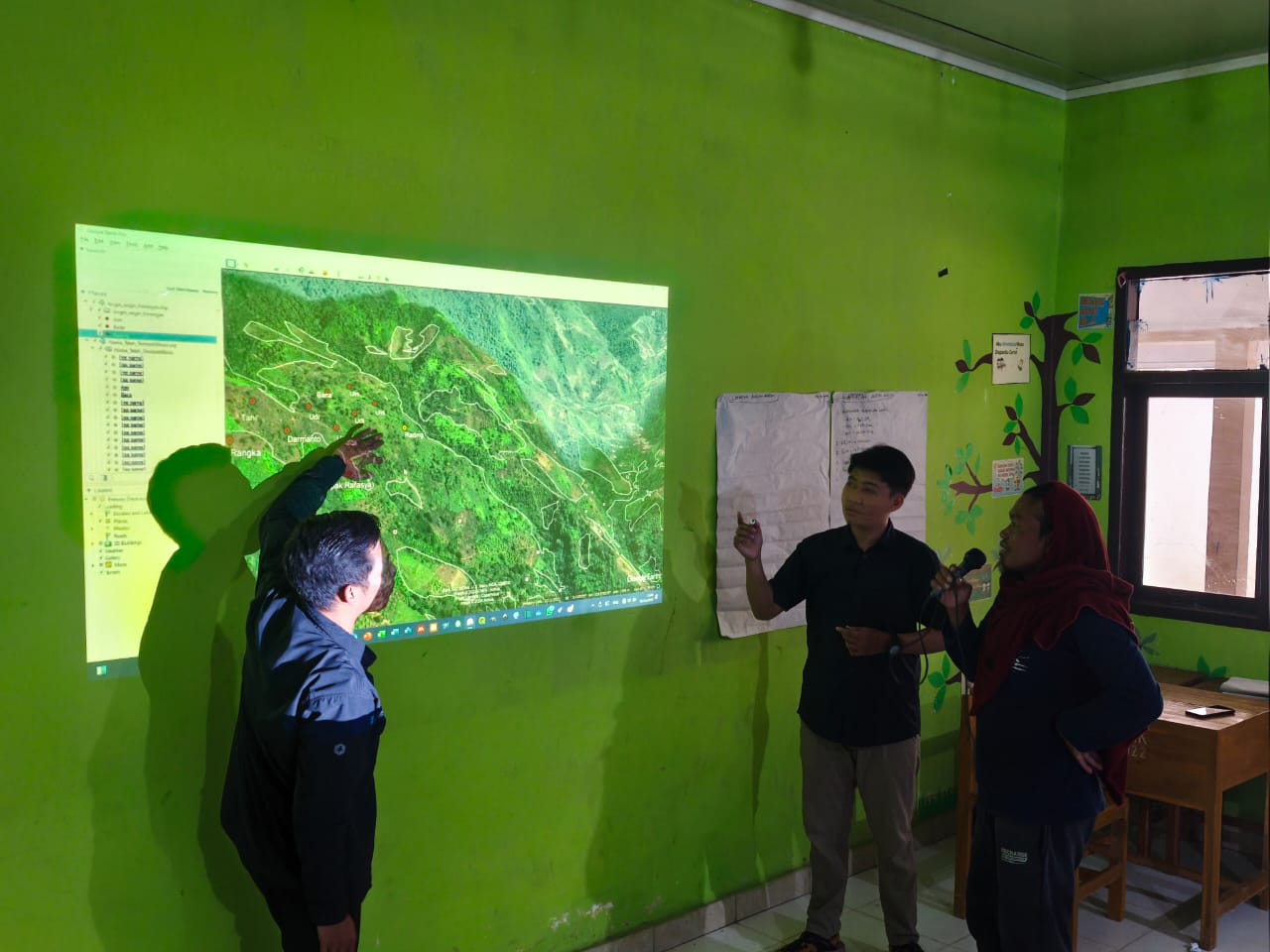

MaxOne Hotel, South Sulawesi — 18–19 December 2024
Social forestry gives communities legal rights and responsibility to manage the forests they depend on — but turning eligible areas into active, well-governed programmes takes coordination. In South Sulawesi, many of the candidate areas already identified in the national indicative map (PIAPS) have yet to be fully realised.
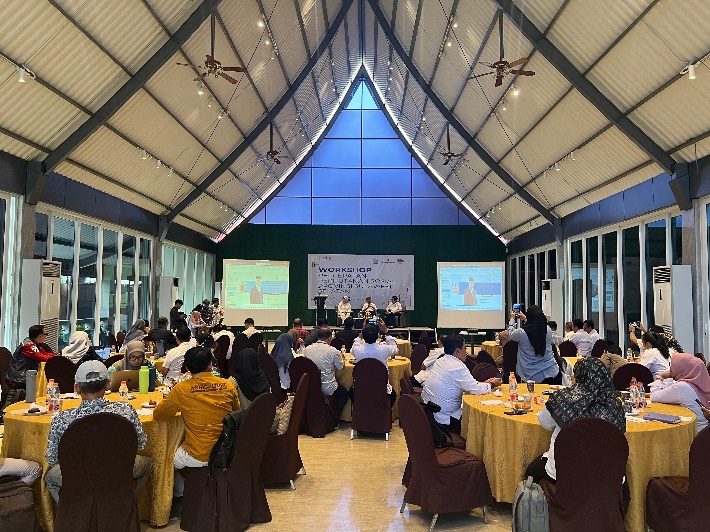
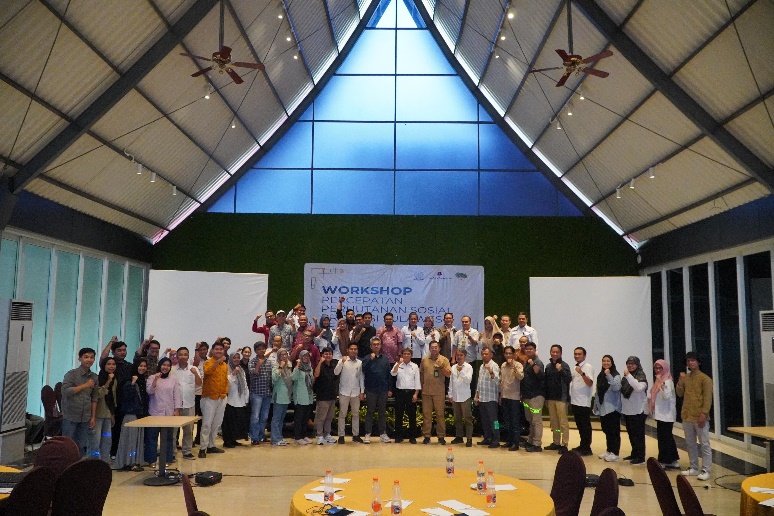
To address this, the South Sulawesi Environment and Forestry Agency (DLHK), together with the Community Forestry Service Team (TLKM) and the Social Forestry and Environmental Partnership Centre (BPSKL), convened a Workshop on Accelerating Social Forestry on 18–19 December 2024. The added urgency is national: Indonesia's social-forestry target has been raised from 12.7 million to 15.8 million hectares.
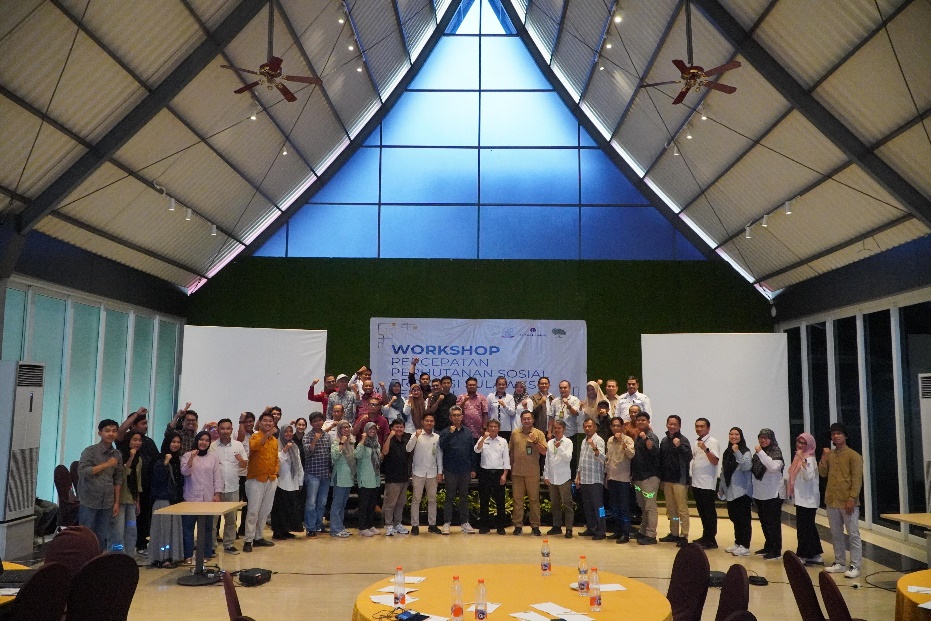
The workshop drew a broad coalition — government agencies from across South Sulawesi, academics, state and private enterprises, social-forestry groups, and civil-society organisations and media. Participants split into three working groups, each tackling a different building block:
- Area boundaries for social-forestry zones,
- the structure of the South Sulawesi Social Forestry Working Group (POKJA), and
- a provincial Social Forestry Roadmap, drafted to align with the working group's mandate.
The outcomes from each group feed directly into finalising the provincial POKJA team and the South Sulawesi roadmap — the scaffolding that lets social forestry scale.
For Yayasan Sabuk Hijau Indonesia (Greenbelt Initiative), this is the collaborative groundwork our mission depends on. Resilient forests and empowered communities are not built by any single actor; they emerge when government, academia, the private sector and communities pull in the same direction — bridging policy and the people on the ground.


Leave A Comment